

We aren’t reaching people because, well, we aren’t trying to reach people.

When it comes to important leadership factors and strategies, see what these experts have to say.
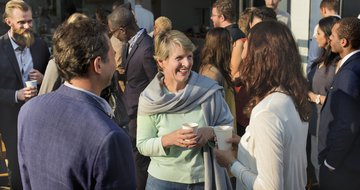
Here are five principles to focus your church on reflecting God’s love and reaching those who are hurting and longing for security.
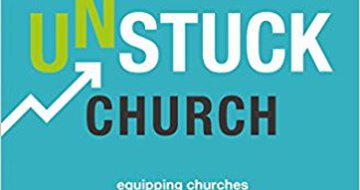
Tony Morgan’s book, The Unstuck Church: Equipping Churches to Experience Sustained Health is a tremendous tool for ministry leaders.

How can we plant so many seeds of consumerism and expect the fruits of discipleship?

Do unnecessary rules keep you from leading well?

After College: Navigating Transitions, Relationships and Faith, by Erica Reitz, will guide the next generation from the university and into the marketplace.

Here are two things that need to be in place to set a course for a new season.

Every day, we read about misstatements, miscues, errors in judgment, lack of candor, misinterpretations, white lies, exaggerations and spin.

Here are three things I do to stay physically healthy and in turn spiritually stronger.

Here’s my take on the four basic principles pastors can utilize to step up their leadership game.

The past few months, God has instructed my heart to slow down. Here is what I have learned on this journey.

Though we are often oblivious when we become “stuck” in our personal growth, the evidence is compelling.
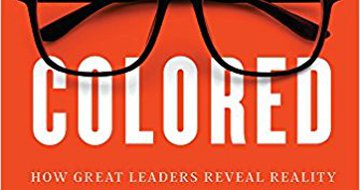
Through Colored Glasses: How Great Leaders Reveal Reality by Tom Harper provides a leadership fable full of characters each of us have seen in real-life individuals and a story we can relate to.

Typically the words “leadership” and “love” are not found in the same sentence unless someone tells you “they love to do leadership.”

I still have painful memories about the first time I experienced losing church members as a pastor.

Is the aspiration to be rich against biblical teaching?

What do you do with these issues?

Does this truth apply to leadership along with the layperson? I believe so.
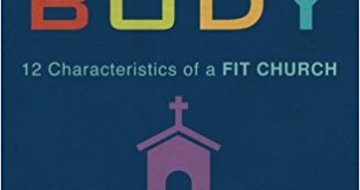
In Building the Body: 12 Characteristics of a Fit Church, Gary L. MacIntosh and Phil Stevenson identify characteristics that distinguish fit churches from the merely healthy.