Church Leadership+Administration
If you work vocationally in a church, denomination or parachurch, the articles in this section will help you with the practical matters you deal with every day. As a leader, you may not work directly in administration, but the words of Jethro will surely be the best advice you'll ever hear:
Moses’ father-in-law replied, “What you are doing is not good. You and these people who come to you will only wear yourselves out. The work is too heavy for you; you cannot handle it alone.... 21But select capable men from all the people—men who fear God, trustworthy men who hate dishonest gain—and appoint them as officials over thousands, hundreds, fifties and tens."
—Ex. 18:17-18, 21 (NIV)

Churches are increasingly struggling because pastoral searches are taking too long, often due to outdated processes, under-equipped committees, and a lack of urgency, leading to declining health during extended vacancies.

What if people aren’t failing to live differently—they simply haven’t been shown how, and the church’s greatest opportunity is to teach practical life skills that shape lasting change?

The effectiveness of your outreach isn’t determined by how many invites you send, but by how close you are to the person you invite.

Wise leaders know growth doesn’t come from constant change, but from changing what isn’t working while staying relentlessly consistent with what truly connects.

The most meaningful ministry in your church may not happen from the stage, but in simple, intentional moments when someone chooses to make a visitor feel seen, valued, and cared for.

Churches aren’t failing to reach their communities because outreach doesn’t work—they’re failing because they’ve stopped actually doing it.

What often passes for spiritual maturity in the church today may be little more than restless preference, while real maturity is marked by humility, responsibility, love, and a life poured out for others.

Great churches don’t just greet people at the door—they intentionally turn first impressions into genuine connections that help every guest feel like they belong.
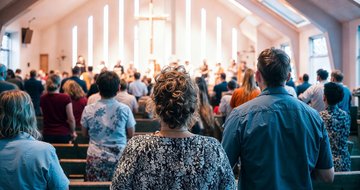
If just 16% of churches embrace multiplication, a tipping point is reached where movement replaces effort and transformation becomes inevitable.
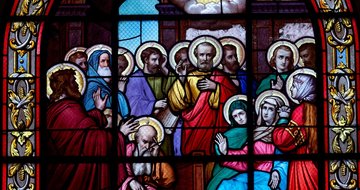
Pentecost may be one of the Church’s most important celebrations, yet it remains one of its most overlooked—revealing a deeper hesitation to engage the power and mystery of the Holy Spirit.

After decades of ministry, pastors don’t regret doing too little—they regret focusing on the wrong things.

Many pastors aren’t underpaid on purpose—but unnoticed assumptions and outdated thinking quietly create a financial strain churches can no longer afford to ignore.

When ministry success is measured only by attendance and giving, many faithful pastors quietly carry the weight of feeling like failures—even when God may be doing His deepest work.
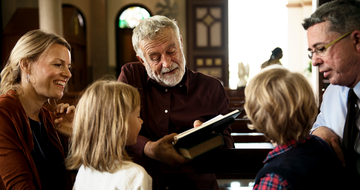
Church growth can’t be engineered, but these eight patterns consistently show up in congregations where the Spirit is bringing renewal and new life.

A growing body of research points to an unexpected solution for stronger communities: church planting.

I've seen it in towns across America. Churches put tremendous energy and money into events—fall festivals, concerts, car shows, you name it—and then wonder why no one returns.