

Since large gatherings can create excitement and attention, they often overshadow the key discipleship venue of small groups. To combat this, leaders must ensure that the church’s emphasis upon small groups is highlighted noticeably in official statements.

I learned the hard way that I cannot place my entire identity in my job title or employer’s good name.

How many people are frustrated because they feel underused in the Church? How many people are sitting in their seat week after week untapped because we won’t let go?

After being called out, I had to do some deep soul searching and take an introspective look at how I communicate, dialogue and interact with people in general. I realized I didn’t intentionally practice active listening.

These are missional patterns that almost any church would want to embrace. But many people first react negatively toward the missional term because it is new and they do not fully know its meaning.
How do preachers remain faithful in the face of conflict and confrontation? How do you preach Jesus when others don’t want to listen?

When it comes to groups, the cure is spelled: S.M.A.L.L., and the first step is surveying the types of groups you already have.
Ponder how you would handle these tough life scenarios.
Many times we want to show off our ministry muscles, but God has another plan in mind.

For 20-plus years I have studied how to successfully employ intervention events. Here are my top seven tips for successfully doing so.
The pages of history show ways small groups have been used. Learn how and why small groups promote both discipleship and church growth.
How do you handle the tension of attempting to be the leader who has it all together?
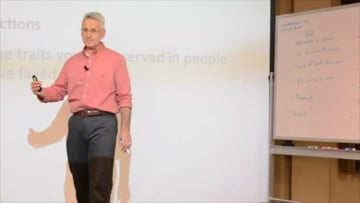
Finding the right person for the job isn’t always an easy task. Tim Hester, executive pastor at Southeast Christian Church, shares how to uncover the qualities of a future successful staff member when going through the hiring process.

As the work of the church plays out on a daily basis, behind the scenes are hurt leaders who are forced to move on because they don’t have the time, energy, resources, or leadership to simply stop and process it all.
As the day-to-day work of the church plays out, behind the scenes there are hurt leaders who are forced to move on because they don’t have the time, energy, resources, or leadership to simply stop and process it all.

Do you have relational skills? Need to improve them?

How decisions are made and how things get done are extremely important.

How do you implement intentional change?

Nobody likes to talk to others who monopolize conversations and drone on about themselves.

Sometimes our focus is mistakenly doing it on our own and then praying for success.