

When boards surrender succession to the outgoing CEO, they may preserve comfort in the short term—but they risk governance failure, strategic drift, and organizational collapse in the long run.

A well-intentioned leader risks long-term damage to performance, culture, and relationships when he prioritizes comfort and harmony over courageous conversations and clear accountability.

Many leaders feel overwhelmed by competing demands or multiple opportunities. The most common issue is, "I can't get it all done." And that's the problem: It all feels equally important. But it isn't.

Leaders are often moored or anchored to perspectives that no longer serve them well. What can you do with this happens?

If you've ever been in a negotiation, it can feel uncomfortable. This negotiation tip will help you understand why and what to do about it.

Reparenting the Workforce: Transform underprepared employees into high performers by setting standards, providing training, and cultivating a resilient culture.

Building real strength involves focusing on hips and shoulders through compound movements. Similarly, optimizing business success involves identifying key products or services that drive revenue and cutting out distractions.

Leaders should assess if habits increase efficiency or create more work. Easy does not equal efficient.

Effective leadership in an AI-driven world requires developing human skills that machines can't replicate.

Leadership success hinges on managing emotions under pressure, making clear decisions.

Many leaders unintentionally undermine their teams by using vague labels instead of clearly defining what success looks like.

Leadership growth comes from accepting imperfections and learning from mistakes.

Google's Project Aristotle studied hundreds of teams to determine what makes them effective. The key finding? Team success depends less on individual talent and more on how members interact.

The majority of business owners fail to sell due to lack of understanding buyers' needs and lacking a clear exit strategy.

A wise CEO transition requires more than a handoff—it demands humility, foresight, and a Spirit-led commitment to legacy, timing, and empowering the next leader.

The greatest barriers to business growth are often internal patterns like mistrust, scarcity, burnout, and impatience that must be addressed to unlock lasting progress.
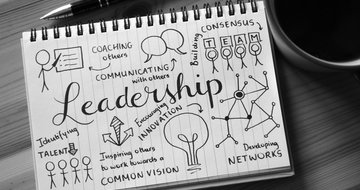
All leaders can benefit from coaching to reach their full potential and achieve lasting impact.

Partnerships can unlock powerful potential—or quietly unravel everything you’ve built.

Effective succession planning is crucial to ensure smooth transitions and continuity in leadership, particularly in today's dynamic environment.

Most leaders think about building a business—far fewer think about leaving one. But the future of your legacy depends on how well you prepare for the exit long before it arrives.