

When implementing change, it can easily turn into a reenactment of the wilderness journey to the promised land. However, change doesn't always have to look this way.

Every church has 'em. The Chronic Critic...the person(s) who simply can't be pleased.

What would it look like to take your church into a new season?
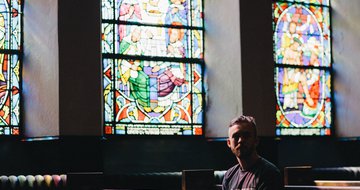
How would you define the primary purpose of the church?

Our ability to navigate God’s call to more rises and falls on our understanding, belief and obedience to His greater purposes.

I was shocked when I found out a colleague had criticized me behind the scenes.

This daily devotional will encourage and challenge your relationship with God.

I often hear about what successful leaders do with their mornings. What I don’t often hear is what those same leaders do with their evenings.

This is a deep need they have, whether or not they know it.

He or she may not be who you expect. However, recognizing the toxic problem may lead to a faster solution.

As followers of Jesus Christ, we are all called to be faithful stewards of the mysteries of God.

For Christian leaders, there is a power available that can set us free from the inability to accurately and, in a healthy way, assess ourselves.

There are lessons I wish I had learned earlier, especially as a young leader.

This year marks the 500th anniversary of the Protestant Reformation of the church. Reviewing its foundations can bolster your church for its next era.

Many churches have become too busy for their own good.

Are you making any of these church leadership mistakes? If so, you’re in good company. I’ve made them all, and you probably have too.

How do we respond when church isn't a priority for the Millennial generation?

Positioning ourselves properly before God is the necessary first phase in navigating God’s call to more.

Leading a team is no easy task. Here are six leadership lessons I learned when put in this position.

God will bring people and experiences into your life that will keep you humble.